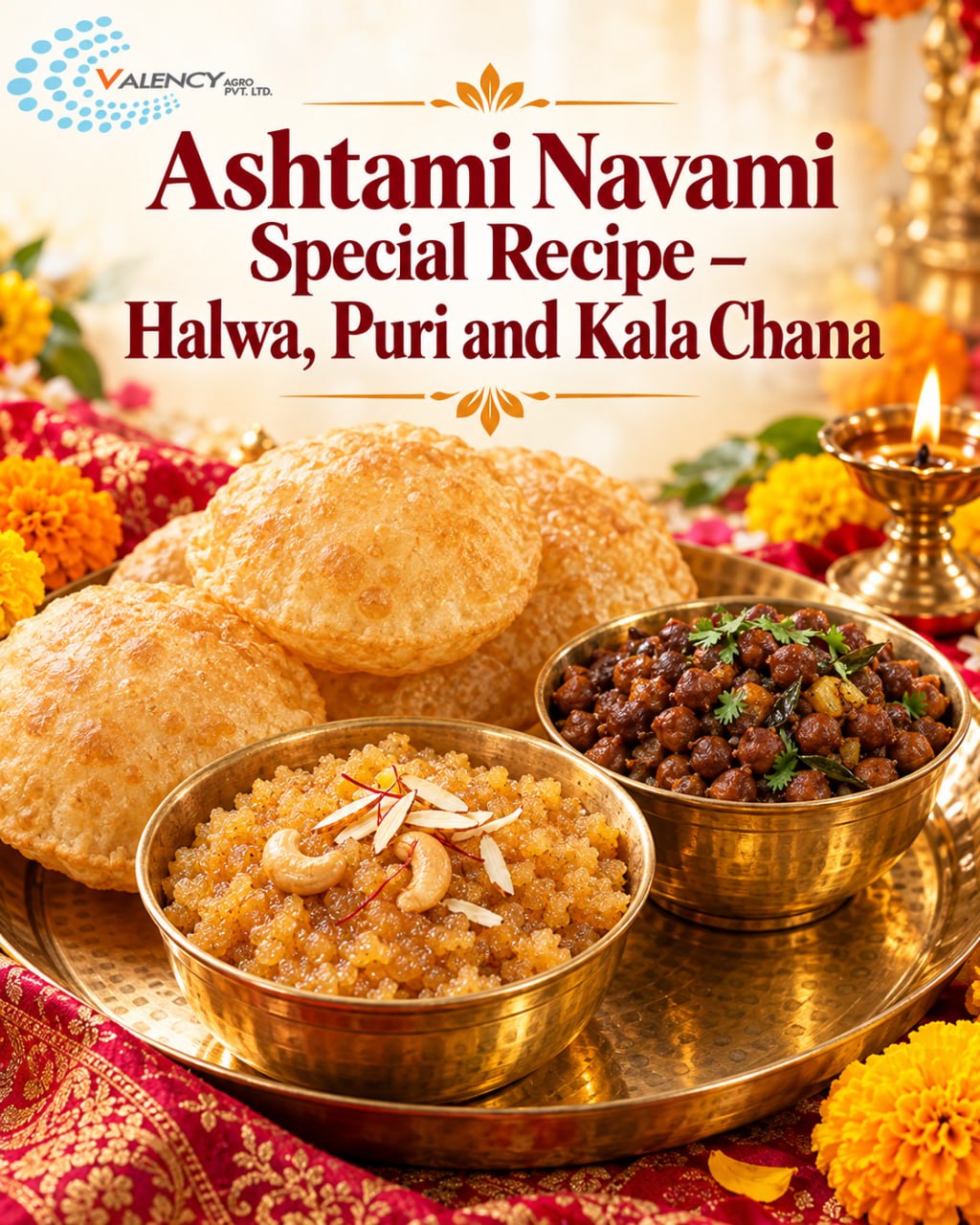
1.Soak the Kala Chana Overnight
Rinse the kala chana thoroughly and place it in a large bowl. Cover with plenty of water, allowing room for the chickpeas to expand.
Soak for eight to twelve hours. In a warm kitchen, keep the soaking bowl in the refrigerator.
Drain the soaking water and rinse the chana again before cooking. Soaking ahead makes the preparation on puja morning easier.
2. Pressure-Cook Until Tender
Transfer the soaked kala chana to a pressure cooker. Add fresh water to cover it by approximately 2–3 cm, staying within your cooker’s fill limit.
Cook according to your cooker’s instructions. On a stovetop pressure cooker, soaked kala chana often needs approximately 20–30 minutes under pressure, although older chickpeas may take longer.
Allow the pressure to release naturally before opening. Press one chickpea between your fingers or with a spoon—it should mash easily. If the centre is still hard, add water if needed and cook further.
Tender chana is more important than counting whistles, which vary between cookers.
3. Prepare the Kala Chana for Prasad
Heat the oil or ghee in a pan. Add the cumin seeds and let them sizzle gently.
Lower the heat. Add turmeric, coriander powder and optional chilli powder with a tablespoon of the chana cooking liquid. Stir briefly so the spices do not burn.
Add the cooked kala chana, salt and approximately ¼ cup of its cooking liquid. Mix well and simmer for five to eight minutes.
Let most of the liquid evaporate, leaving the chickpeas moist and lightly coated with the seasoning. Set aside, covered.
4. Knead the Puri Dough
Place the whole wheat flour in a bowl. Add the oil and optional salt, then mix.
Pour in water a little at a time and knead into a smooth, firm dough. You may not need the full quantity of water.
The dough should be firmer than chapati dough but flexible enough to roll without cracking. Cover and rest for 15–20 minutes while you prepare the halwa.
Avoid a soft, sticky dough, which is harder to roll and can make the puris absorb more oil.
4. Roast the Nuts and Suji
Heat the ghee in a heavy-bottomed pan over low to medium heat. Add the chopped almonds and cashews, frying briefly until lightly golden. Remove with a spoon and set aside. Fry the optional raisins just until they swell, then remove them too.
Add the suji to the same pan. Roast over low to medium-low heat for approximately ten to fifteen minutes, stirring continuously.
The suji should smell fragrant and turn a light golden colour. Do not rush this step: poorly roasted suji can leave the halwa tasting raw.
When comparing Almonds Brands or Cashew Brands for the topping, choose fresh, plain, unsalted nuts. Chop them finely for children’s servings and check for nut allergies before offering them.
4. Cook the Halwa Until Soft
In a separate saucepan, warm the water and sugar, stirring until the sugar dissolves.
Lower the heat under the roasted suji. Carefully add the hot sugar water in small portions, stirring with a long-handled spatula. The mixture will bubble and release hot steam, so keep your hands and face away from the pan.
Stir until smooth, then cook over low heat for approximately five to seven minutes, until the suji absorbs the liquid.
Add cardamom and most of the roasted nuts, reserving a little for garnishing. Mix well.
Remove from the heat while the suji halwa is soft and spoonable. It will thicken as it rests. If it becomes too firm, stir in a little hot water over low heat.
4. Roll and Fry the Puris
Divide the rested dough into approximately 16–20 small portions. Roll each into a smooth ball, then flatten into an even circle about 2–3 mm thick.
Use a lightly oiled rolling surface rather than excess dry flour, which can burn in the frying oil. Keep the rolled puris covered so they do not dry out.
Heat oil in a deep, heavy pan. A tiny piece of dough should rise promptly with steady bubbles without browning immediately.
Slide in one puri carefully. Once it rises, gently press its surface with a slotted spoon to help it puff. Turn and fry the other side until lightly golden.
Lift out, drain and repeat. Keep the oil hot between puris, but lower the heat if they brown too quickly.